
May 19, 2026
Every winter, about 1 million Canadians escape the cold by heading to sunny destinations like Florida, Arizona, or Mexico. But many face serious financial risks due to gaps in travel insurance. Here’s why:
With U.S. healthcare costs soaring (e.g., $620,000 for a cardiac arrest in 2024), specialized insurance is critical. Companies like Walnut offer extended-stay policies with higher limits, pre-existing condition coverage, and direct billing to reduce upfront costs. Snowbirds should carefully review their insurance options to avoid financial pitfalls during their winter getaways.

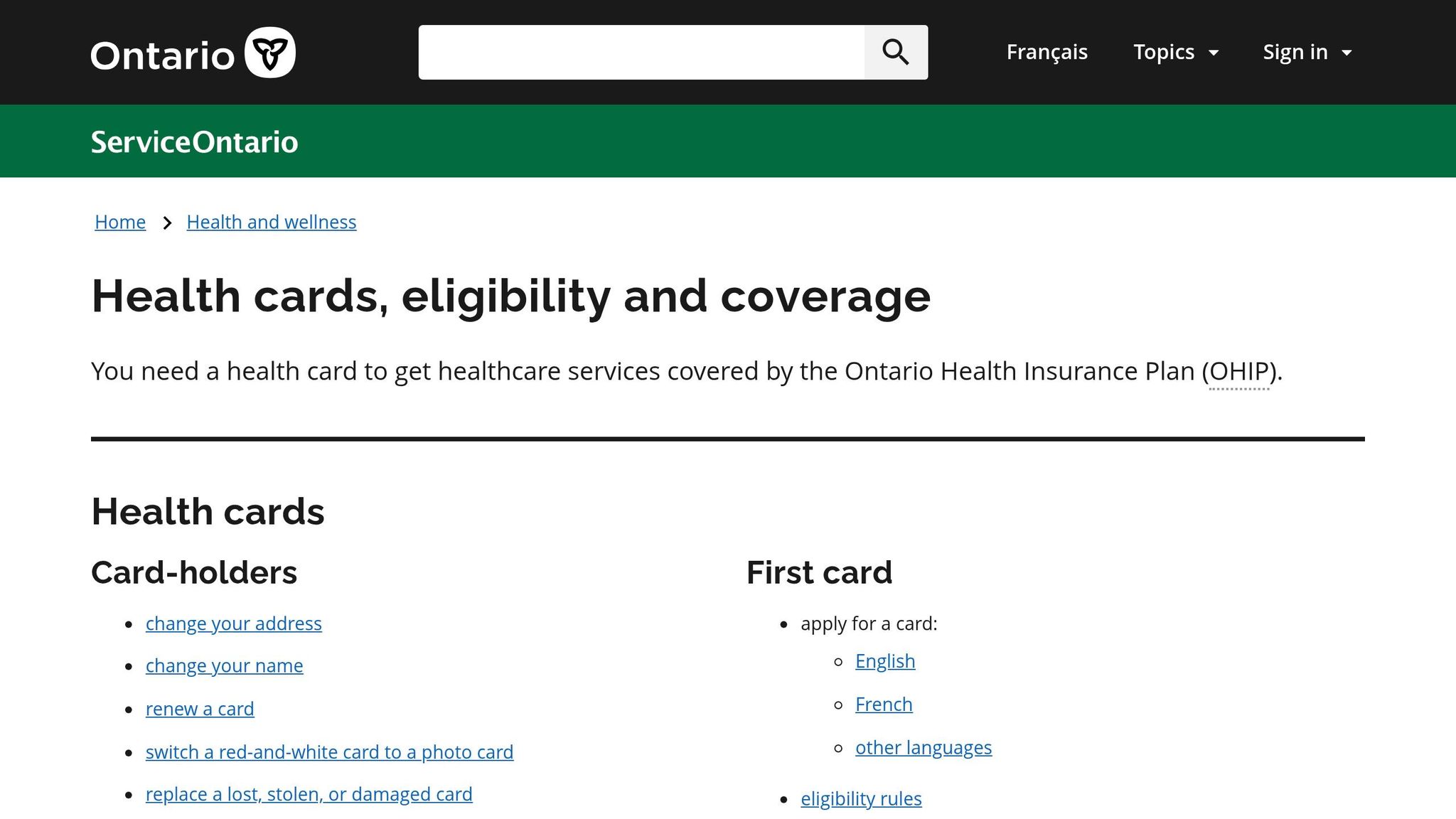
Many Canadians mistakenly believe their provincial health card has them fully covered when traveling abroad. The truth? Provincial health plans only cover emergency medical services outside Canada - and only at Canadian rates. If a hospital in Florida charges more than the fee paid to a Canadian doctor, you're on the hook for the difference [4][7].
For example, OHIP provides a maximum of $50 per day for emergency outpatient services and between $200 to $400 per day for inpatient hospital care, depending on whether you're in intensive care or a regular ward [4]. Alberta's coverage is even more restrictive, offering $100 per day for inpatient care and $50 per day for outpatient services [5]. Compare this to the cost of a U.S. emergency room visit, which can range from $5,000 to $10,000, and the financial shortfall is obvious [3].
Additionally, provincial plans exclude several essential services that snowbirds and frequent travelers often require. Ground and air ambulances, prescription drugs, medical evacuations to Canada, and private facility treatments are not covered at all [4][5][7]. A striking example: in 2025, a Quebec resident spent three days in a Florida ICU after a heart attack, racking up a $25,000 bill. RAMQ reimbursed just $300, leaving the individual with a staggering balance of $24,700 [9].
"If you are hospitalized outside of the country, OHIP does not cover the cost of a transfer to an Ontario hospital for ongoing care." - Ontario Ministry of Health
The financial limits are only part of the challenge.
Beyond the limited financial benefits, provincial health plans also enforce residency rules that can create additional issues. To maintain your health coverage, you must spend a certain number of days each year physically present in your home province. For instance, Ontario residents must be in the province for at least 153 days in each of the two 12-month periods prior to departure [4]. Alberta requires 183 days of physical presence within any 12-month period [6].
Ontario snowbirds, for example, can stay outside the province for up to 212 days (about seven months) in a 12-month period without losing OHIP [4][8]. However, exceeding this limit without proper notice results in coverage expiration. Reactivating OHIP after it lapses involves a three-month waiting period once you return to Ontario [8]. Facing a medical emergency during this gap could lead to severe financial strain.
Other provinces have even stricter requirements. In the Northwest Territories, residents must file a Temporary Absence Form for any trip exceeding 90 days [7]. Newfoundland and Labrador mandates an out-of-province coverage certificate for trips longer than 30 days [7]. Similarly, Prince Edward Island residents must notify PEI Medicare for any absence over one month [7]. Failing to meet these administrative requirements could result in losing coverage entirely - potentially leaving you unprotected when you need it most.
A stability clause in travel insurance determines if your pre-existing medical conditions will be covered while you're away. Insurers typically require that a condition remains unchanged - no new symptoms, no changes in medication, and no new treatments - for a specific period before your trip. This period can range from 90 to 365 days, depending on the policy[10]. Even minor adjustments, like tweaking a medication dosage or undergoing routine diagnostic tests, can jeopardize your coverage[10].
"Be sure to also check the policy's 'stability periods', as these define how long a pre-existing condition must be stable before it is covered." – Group Medical Services (GMS)
Failing to fully disclose your medical history or misunderstanding the stability clause can lead to denied claims. This could leave you responsible for staggering medical costs - serious emergencies like a heart attack or stroke requiring surgery can easily exceed $100,000[3]. Understanding these clauses is crucial, especially for Canadian snowbirds who already face unique insurance challenges.
For snowbirds, stability clauses can be particularly tricky. Many seniors manage chronic conditions like diabetes, COPD, or heart disease, and these policies often classify even small changes as "unstable." For instance, a minor medication adjustment just three months before a four-month trip could void coverage for that condition[10].
Another common misunderstanding is assuming that coverage is locked in once the premium is paid. However, any health changes between purchasing your policy and your departure must be reported to the insurer. Failing to do so could result in denied claims or even policy cancellation. Keep in mind that standard policies typically cover emergencies or sudden illnesses, not routine care. This means things like regular checkups, prescription refills, or ongoing maintenance care are not included[2].
These strict requirements highlight the financial risks snowbirds face. When provincial health plans and basic multi-trip policies fall short, snowbirds are left vulnerable to enormous medical expenses during their extended stays abroad.
Healthcare in the U.S. comes with a hefty price tag, largely driven by its commercial nature. For example, a single night in intensive care can cost anywhere from $5,000 to over $50,000, while emergency room visits typically range between $1,000 and $3,000. Even minor illnesses treated at walk-in clinics in Florida can cost $99–$139[11].
These expenses can escalate rapidly in emergencies. In 2024, a 74-year-old Ontario man suffered a cardiac arrest at a U.S. airport and was hit with a $620,000 hospital bill[9]. On top of that, air ambulance services for medical evacuation can add another $20,000 to $50,000 or more.
Unfortunately, Canadian provincial health plans offer minimal protection against such costs. Take the case of a 60-year-old man who lost a finger in a U.S. boating accident. His medical bill totaled $58,301, but his provincial plan reimbursed him just $76.30 - barely 0.13% of the total cost[11]. Similarly, Quebec's RAMQ covered only $52.53 of a $262 doctor's visit, leaving a significant $210 gap to be paid out-of-pocket[9].
"I say to them, with all due respect, you were never covered by the provincial plan. That's not coverage, it was a meagre pittance." – Marty Firestone, President, Travel Secure Inc.
The situation has worsened since January 2020 when Ontario's OHIP stopped covering almost all out-of-country emergency medical costs[9]. In British Columbia, the MSP plan limits hospital reimbursement to just $75 per day, a mere fraction of the actual cost of a single night in a U.S. hospital[9]. These examples highlight why standard short-term travel insurance often leaves snowbirds financially vulnerable during extended stays abroad.
Given the high costs of U.S. healthcare, standard annual multi-trip insurance policies often fall short for snowbirds who spend extended periods abroad. These policies typically limit trip durations to 30 to 70 days per trip[2]. For snowbirds who stay in warmer climates for three to six months, this creates a significant gap in coverage. Many policies require travelers to return home to "reset" their coverage, which is impractical for extended winter stays. Without proper insurance, snowbirds risk facing substantial financial burdens.
A real-life example illustrates this risk. In February 2024, a 68-year-old Canadian named John experienced chest pain while golfing in Scottsdale, Arizona. He was hospitalized for two days of testing, leading to a $36,000 bill. Fortunately, his snowbird-specific insurance plan provided direct billing, leaving him responsible for only a $250 deductible. The insurer covered the remaining balance within 18 days[2]. Without this specialized coverage, John would have been on the hook for the full amount.
Although snowbird-specific insurance comes at a higher cost, it offers peace of mind. Monthly premiums for this type of coverage in the U.S. range from $71 to $353, depending on factors like age and deductible[2]. For instance, a 70-year-old Ontario man with high blood pressure was quoted $750 for 98 days of coverage[11]. When compared to the potential for six-figure medical bills, this investment is a small price to pay for financial security during extended stays.

Walnut has developed a platform that addresses the unique insurance needs of snowbirds - those who escape winter by spending extended periods in warmer destinations. Their solution offers flexible and practical options tailored to this lifestyle.
Walnut's embedded insurance platform allows businesses to offer customized snowbird coverage, filling the gaps that traditional travel insurance often leaves behind. Instead of restrictive 30–70 day trip limits, Walnut enables extended-stay policies covering the entire 3–6 month winter season that snowbirds typically need. Coverage limits range from $1 million to $8 million, providing crucial protection against the high costs of U.S. healthcare. Additionally, the platform includes acute onset coverage for pre-existing conditions and lets partners define stability period requirements to accommodate seniors managing chronic health issues. Travelers can even extend or renew their policies while abroad, ensuring uninterrupted coverage [2]. These features integrate effortlessly into existing platforms, offering both flexibility and simplicity for business partners.
Walnut makes it simple for businesses to incorporate their insurance solutions with three integration options designed to suit different technical setups:
Each option connects to over 14 insurance carriers, supports compliance, and includes instant quote capabilities. Plus, Walnut's direct billing arrangements with hospitals remove the financial burden of upfront medical payments for travelers - a critical advantage [2].
Walnut’s platform not only bridges coverage gaps but also creates new revenue opportunities for its partners. Businesses like travel agencies, retirement communities, and financial services firms can integrate snowbird insurance into their offerings without the need to develop their own insurance infrastructure. This enhances customer retention while opening additional income streams.
For customers, the benefits are clear. Monthly premiums for comprehensive plans range from $71 to $353, with deductible options of up to $5,000 to help lower costs. These tailored policies offer significant financial protection, especially when compared to the potential six-figure medical bills that can arise during extended U.S. stays. By aligning coverage with snowbirds’ travel habits, Walnut ensures peace of mind for both travelers and the businesses serving them [2].
Canadian snowbirds face several insurance challenges that leave them vulnerable to significant financial risks. First, provincial health plans now provide zero coverage for medical care received outside of Canada [12]. Second, many insurance policies require pre-existing conditions to remain stable for 90 to 180 days, meaning even a small medication adjustment could lead to a denied claim [1][12]. Lastly, staying abroad too long can result in the complete loss of provincial coverage, with a mandatory three-month waiting period for reinstatement upon return [12]. Real-world cases highlight the severity of these risks - extended hospital stays in the U.S. can lead to overwhelming medical bills that far exceed what provincial health plans cover. Standard travel policies, which are often designed for shorter trips, simply don’t address the needs of snowbirds spending 3–6 months abroad.
Walnut’s embedded insurance platform addresses these gaps head-on. It offers extended-stay policies with coverage limits reaching up to $8 million, protection for acute onset of pre-existing conditions, and the flexibility to extend coverage while still abroad [2]. Additionally, their direct billing arrangements remove the stress of paying large medical bills upfront, even in situations involving six-figure costs.
For businesses catering to snowbirds, Walnut provides a seamless, scalable solution. Through co-branded link-outs, light API referrals, or fully embedded headless APIs, companies can integrate comprehensive insurance offerings without needing to develop their own infrastructure. This approach not only protects snowbirds from unpredictable medical expenses but also allows businesses to deliver effective, integrated solutions with ease.
You can stay outside your province for up to 8 months (around 243 days) within a 12-month period without losing your provincial health coverage, such as Ontario's OHIP. However, it's important to check the specific guidelines for your province, as these rules can differ.
A “stable” pre-existing condition generally refers to a health issue that hasn’t shown any recent signs of worsening, hasn’t needed new treatments or medications, and hasn’t led to hospitalizations or significant changes in symptoms or care. The exact stability period - the timeframe during which the condition must remain unchanged - differs from one insurer to another. Always review your policy carefully to understand the specific requirements.
For a snowbird stay lasting 3 to 6 months, it’s important to select a policy that covers the entire duration of your trip - up to 6 months. This guarantees you’ll have coverage for any potential medical expenses or emergencies throughout your extended time away.